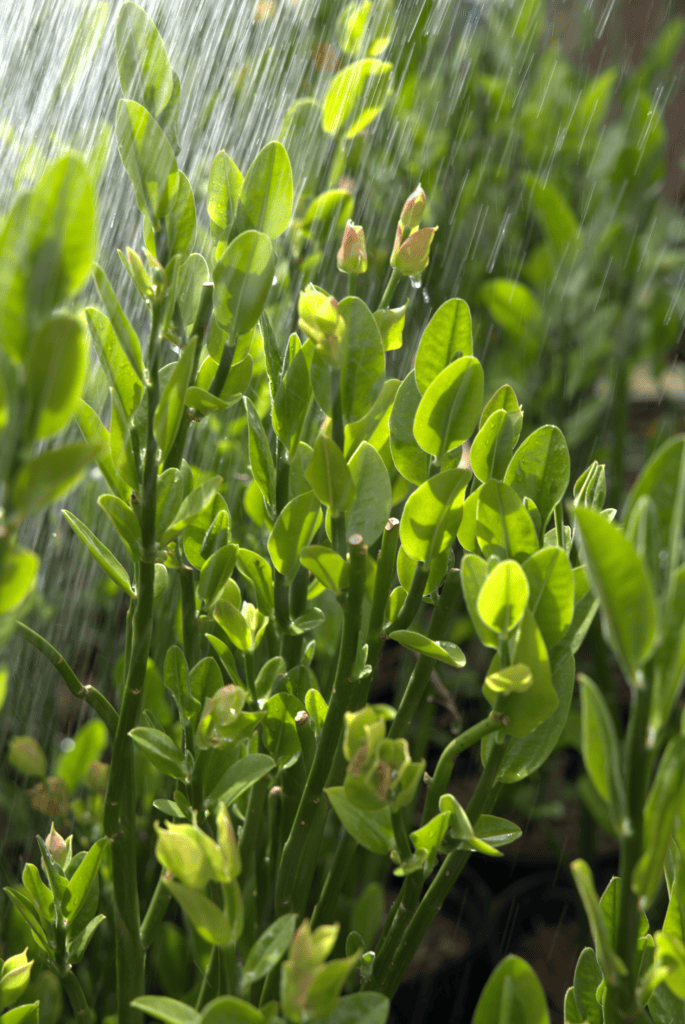
The first real storm rolls through, the yard smells like creosote, and suddenly the ground you couldn’t get a shovel into three weeks ago digs like it wants to cooperate. Every Tucson gardener knows the feeling. If you’ve been wondering when to plant cactus in Tucson, your instincts just answered the question — monsoon is one of the better windows we get. But it comes with a few ways to go wrong that are expensive and largely invisible until it’s too late.
Here’s how to take advantage of the season without losing the plant.
When to plant cactus in Tucson: why monsoon works
Arizona’s monsoon runs June 15 through September 30, though the storms that matter usually show up in July. Four things line up during that stretch:
The soil is warm. Cactus roots grow when soil temperature is up, and ours is at its peak. A plant that goes in during July has two or three months of active root growth before things cool off — a far better position to face winter than something planted in November.
The humidity drops transplant stress. Dry June heat is brutal on a plant that just lost part of its root system. Monsoon humidity takes the edge off the same temperatures.
The rain does the watering. Free, deep, and better distributed than anything a hose delivers.
You can actually dig. By late June our soil has the working properties of fired clay. After a few storms, it’s workable.
The distinction that changes everything
Before you dig, know which kind of plant you have, because the rules diverge sharply.
Container-grown plants — anything that’s been living in a nursery pot with an intact root ball — transplant with almost no root disturbance. These handle monsoon planting easily and can be watered in right away.
Field-dug and boxed specimens — salvaged saguaros, large columnar cactus, anything lifted out of the ground — have cut roots. Those cuts need to callus over before they meet water, or they become an entry point for rot. Standard practice is to hold off on water for one to three weeks depending on size.
That’s the conflict. If you set a freshly dug specimen into ground that’s about to receive four inches of rain, you have taken away the dry period it needs. For large field-dug specimens, plan around the forecast — plant into a dry stretch, or wait for October. Container stock has no such constraint.
Test your drainage first
Most cactus that die in Tucson yards die of drainage, not neglect, and the culprit is usually caliche — the cemented calcium carbonate layer that sits anywhere from six inches to several feet down across the basin.
Dig your hole, then fill it with water. If it drains within a few hours, you’re fine. If water is still standing the next morning, you’ve hit a caliche pan and you’ve just dug a bathtub. Two options:
- Punch through it. Break the layer with a digging bar so water has somewhere to go. Sometimes it’s an inch thick, sometimes it’s three feet.
- Plant high. Build a mound or berm of decomposed granite and native soil above grade and set the plant in that. Often the better answer for large specimens.
A cactus sitting in a saturated hole through monsoon season will rot from the base, and you generally won’t see it until the plant is already gone.
Planting, step by step
Dig wide, not deep. Two to three times the width of the root ball, no deeper than the root ball is tall. A hole that’s too deep means the plant settles, and a settled cactus sits with its base below grade collecting water.
Skip the amendments. This is where good gardeners get it wrong. Compost and rich potting soil hold moisture against the base and encourage roots to circle instead of pushing into native ground. Backfill with the soil you dug out, mixed with pumice or decomposed granite if it’s heavy. Cactus want lean.
Match the original depth. The soil line on the plant should end up level with the soil line in your yard. Not an inch lower.
Mark the orientation before you move it. Any columnar cactus — saguaro, cardón, organ pipe — has a south and west face that’s been hardening in the sun for decades, and a shaded north face with far less protection. Rotate it during planting and the tender side takes full afternoon sun for the first time in its life. The result is scalding, corking, and sometimes collapse. Mark the north side with a stripe of chalk or a piece of tape before it leaves the yard, and set it back down the same way. It’s the single most common irreversible mistake in cactus transplanting.
Brace for the wind
The other monsoon risk isn’t rain, it’s downdrafts. Microbursts routinely push 40 to 60 mph across Tucson, and a newly planted columnar cactus with unestablished roots in wet soil is exactly what they knock over.
Anything over about four feet should be braced — three padded supports set at angles, contacting the plant through carpet scraps or foam, never wire or strapping directly against the skin. Leave the bracing up for at least a year on a large specimen. A saguaro that topples in year one usually can’t be saved, and the liability if it falls toward a driveway or a neighbor’s fence is not theoretical.
Watering after planting
Container stock: water in at planting, then let the storms take over. If a week goes by dry, water deeply once. Deep and infrequent, always — shallow daily watering trains roots to stay at the surface where they cook.
Field-dug stock: wait for the callus period, then water once, and reassess. Overwatering a newly planted specimen is far more common than underwatering it and much harder to reverse.
Established cactus in monsoon season generally need nothing from you at all.
What to watch for in the first six weeks
- Soft or darkening tissue at the base. This is rot, and it moves upward. Catching it early is the only chance you have.
- Yellowing or bleached patches on the sun side. Sunburn, usually on plants grown under shade cloth and set straight into full exposure. Shade cloth for the first summer prevents it.
- A developing lean. Re-brace immediately rather than waiting to see if it settles.
- Weeds, especially buffelgrass. Monsoon rain wakes up everything. Buffelgrass around the base of a saguaro is a fire risk, not just an eyesore — pull it while the ground is soft and the roots come with it.
When to plant cactus in Tucson if you miss monsoon
Monsoon planting isn’t right for everything. Hold off if:
- You have a large field-dug specimen and no dry window in the forecast
- Your site drains poorly and you can’t correct it before planting
- The plant has been grown under shade and you can’t provide temporary shade
- You’re planting desert trees or shrubs rather than cactus — those genuinely do better in October
October through November is Tucson’s other strong planting window, and there’s no penalty for waiting.
Frequently asked questions
Is monsoon season a good time to plant cactus in Tucson? Yes for container-grown plants — warm soil, natural rainfall, and high humidity make it one of the best windows of the year. Field-dug specimens with cut roots need a dry period to callus first, so those are better planted into a dry stretch or held for fall.
How long should I wait to water a newly transplanted cactus? Container-grown plants can be watered at planting. Field-dug specimens should go one to three weeks without water depending on size, so the cut roots can seal.
Why does my new cactus have a yellow patch on one side? Almost always sunburn, from either being rotated during planting or moved from shade to full sun. Mark orientation before transplanting, and shade newly planted stock through its first summer.
How deep should I plant a cactus? At the same depth it was growing before, in a hole two to three times as wide as the root ball but no deeper. Planting too deep is a leading cause of base rot.
Every plant that leaves our yards with a conversation about where it’s going and how it’s going into the ground — soil, drainage, orientation, and bracing. If you’re planning a monsoon planting and want a second opinion before you dig, come see us, or bring photos of the site and we’ll walk through it with you.
Browse our specimens →